
 Robot hardware, powered by Neuracore
How Anvil used Neuracore to save over $2M and deliver faster
Anvil designs ready-to-run robot hardware and teleoperation, from open arms to full devkits. To sell a complete unit that actually learns tasks, they needed an intelligence layer, not just hardware. Rather than build one from scratch, they chose to run their robots on Neuracore: the arm and teleop are Anvil's, while data collection, skill learning, and deployment all run on Neuracore. The result is one all-in-one product for customers, shipped by a small team with no need to build an ML org.
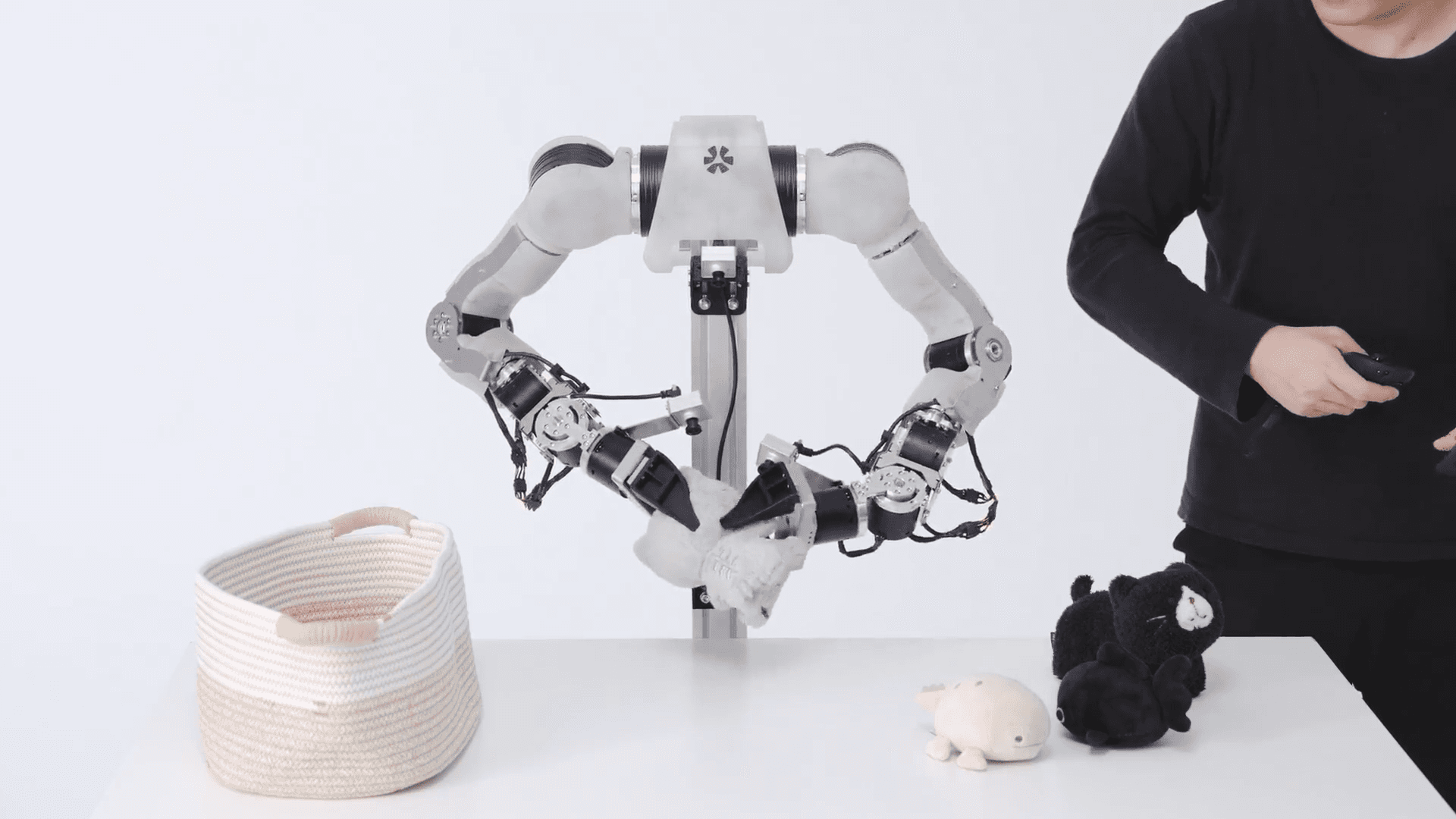
Great hardware isn't a complete product.
Anvil is a small team of mechatronics engineers who build excellent hardware: open arms, bimanual manipulators, teleoperation rigs, cameras, and grippers that work out of the box. But customers don't want a devkit, they want a robot that does a task. That requires an entirely different discipline: collecting demonstrations at scale, learning skills from them, and deploying policies that hold up in the real world.
Building that intelligence layer in-house would mean hiring a machine-learning team and standing up data, training, and deployment infrastructure. That's an ongoing cost north of two million dollars a year in Bay Area salaries alone, before any compute. For a seed-stage startup, that's not a bet you can make while also shipping hardware. And if it strains a small company this much, the same build is even harder to justify inside a large one.
Anvil builds the body. Neuracore is the brain.
Anvil kept doing what they do best and made the intelligence an option customers can switch on: a unit powered by Neuracore. The teleop system and open arm are Anvil's; everything downstream runs on Neuracore, with no ML team to hire and no infrastructure to maintain.
Teleoperate the Anvil arm
Operators drive the task on Anvil's open arm and teleop rig, logging synchronized video, proprioception, and actions straight to the cloud.
Learn moreCurate the demonstrations
Episodes are reviewed, fumbled takes flagged, and a clean versioned dataset cut, catching quality issues before they waste a training run.
Learn moreLearn the skill
A managed GPU run turns the demonstrations into a manipulation policy, with no infrastructure for Anvil to provision or maintain.
Learn moreDeploy on the unit
The policy runs in a real-time control loop on the same Anvil hardware the customer bought; failures trace back to the data and feed the next iteration.
Learn moreWe are Mechatronics Engineers, not ML experts. Building this internally would cost over $2M a year. With Neuracore, we were collecting, training and deploying a robot policy.
 Mike ZiaCEO, Anvil Robotics
A complete product, from a small team.
Anvil now ships a unit that does more than move: it learns and performs tasks, with the full collect-to-deploy loop running on Neuracore behind the label. What would have been a multi-year, multi-million-dollar internal build became a switch they turn on. Their first policy went from teleoperation to deployed in a fraction of the time an in-house build would have taken.
The money and the years that would have gone into an ML org stay in the business. Anvil's engineers stay on hardware and R&D, the work they were hired to do. A seed-stage startup ships a complete, skill-learning robot with a small team, and it's a strategy that only gets more compelling at the scale of a large enterprise.
More teams shipping real robot skills.
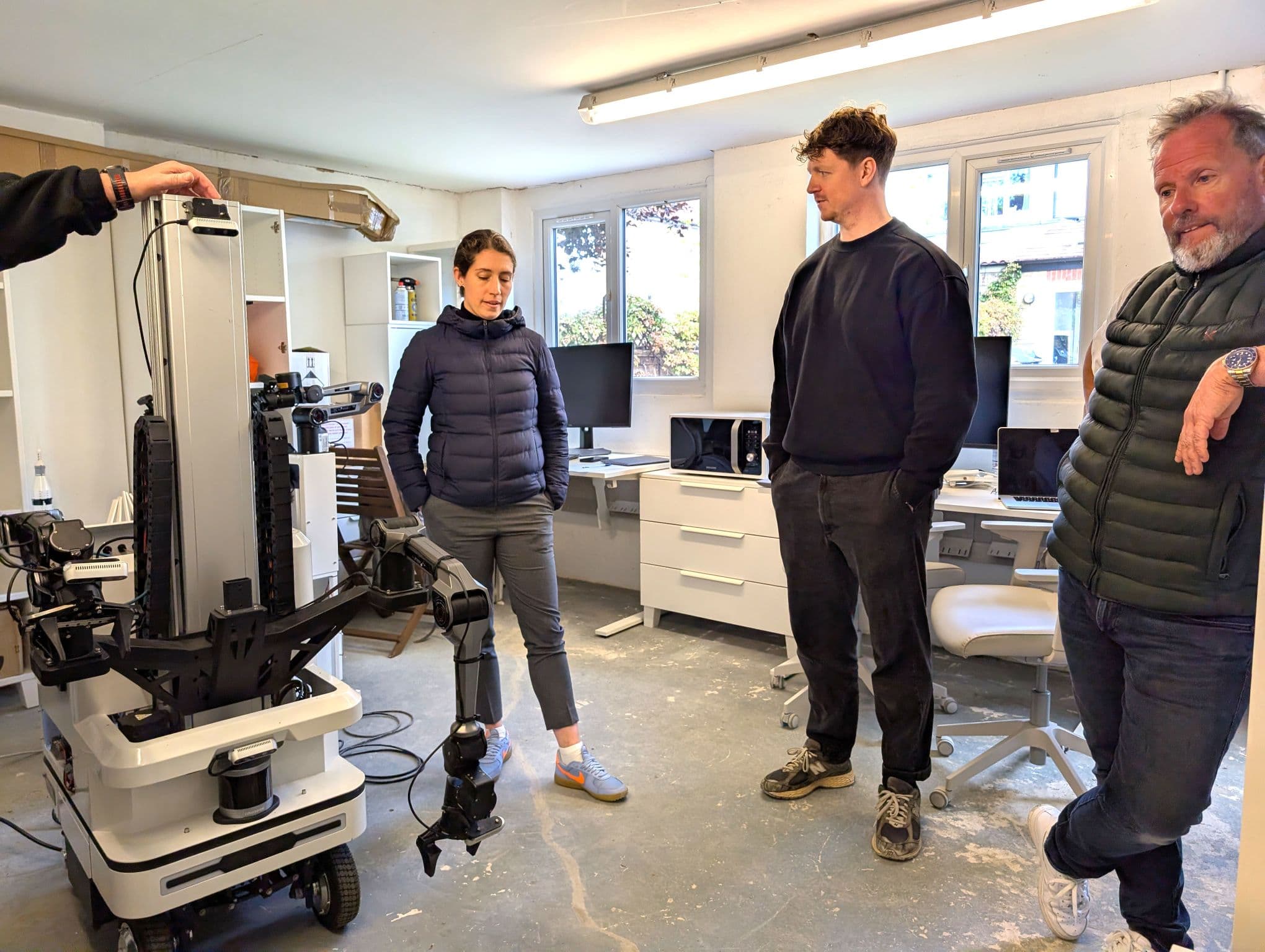
AIRA
Deploying mobile manipulators, not humanoids, with every new task collected, trained, and deployed on one platform, so skill delivery drops from months to days.
Read the case study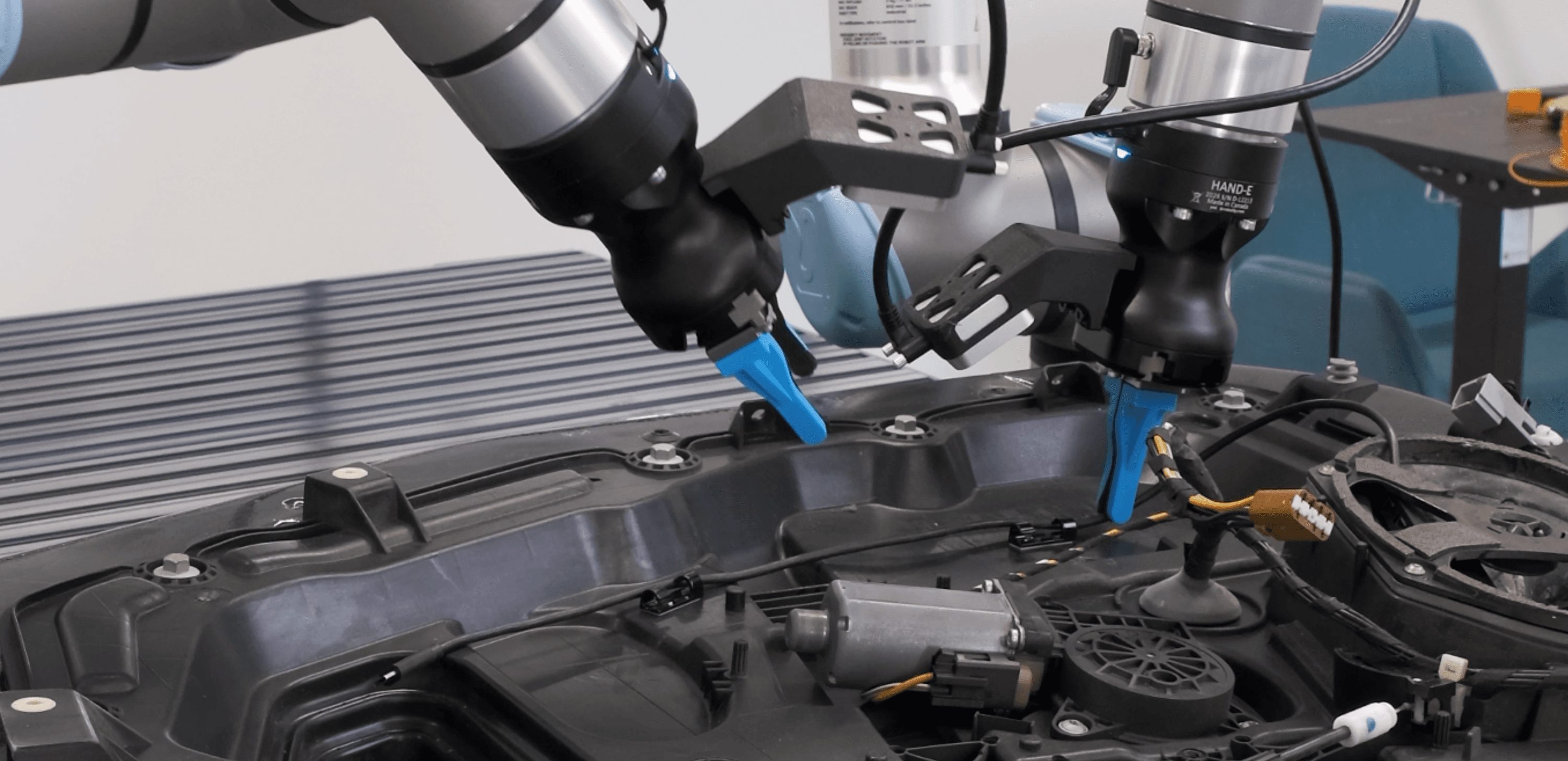
Specialist Robotics
Automates the deformable, dexterous tasks conventional automation can't touch, cables, gaskets, delicate parts, with Neuracore as the learning engine behind every turnkey cell.
Read the case studyShipping robot hardware?
Make it powered by Neuracore and ship a unit that learns tasks, without building the intelligence layer yourself.